Approved work order
One trial reminder, only after a person approves it
The AI receives the goal, limits, and only the safe evidence it needs.
Structural control for AI work
Dutch Door is a control system for founder-led teams using AI agents. The first door checks whether the work should begin. The second proves it was built right before anything reaches customers or the real world. Between them, AI can move fast without getting the keys to your business.
Born inside LienSuite after the system stopped an unapproved trial-reminder feature before customers saw it.
Pilot work order · customer reminder
Approved work order
The AI receives the goal, limits, and only the safe evidence it needs.
First door
Conflicting or unclear work is held before the AI begins.
Second door
A reviewer and mechanical checks inspect the result before release.
The AI proposes. A narrow trusted mechanism acts.
The idea
A Dutch door makes the boundary obvious: collaboration can pass across the open top while uncontrolled action stays behind the locked bottom.
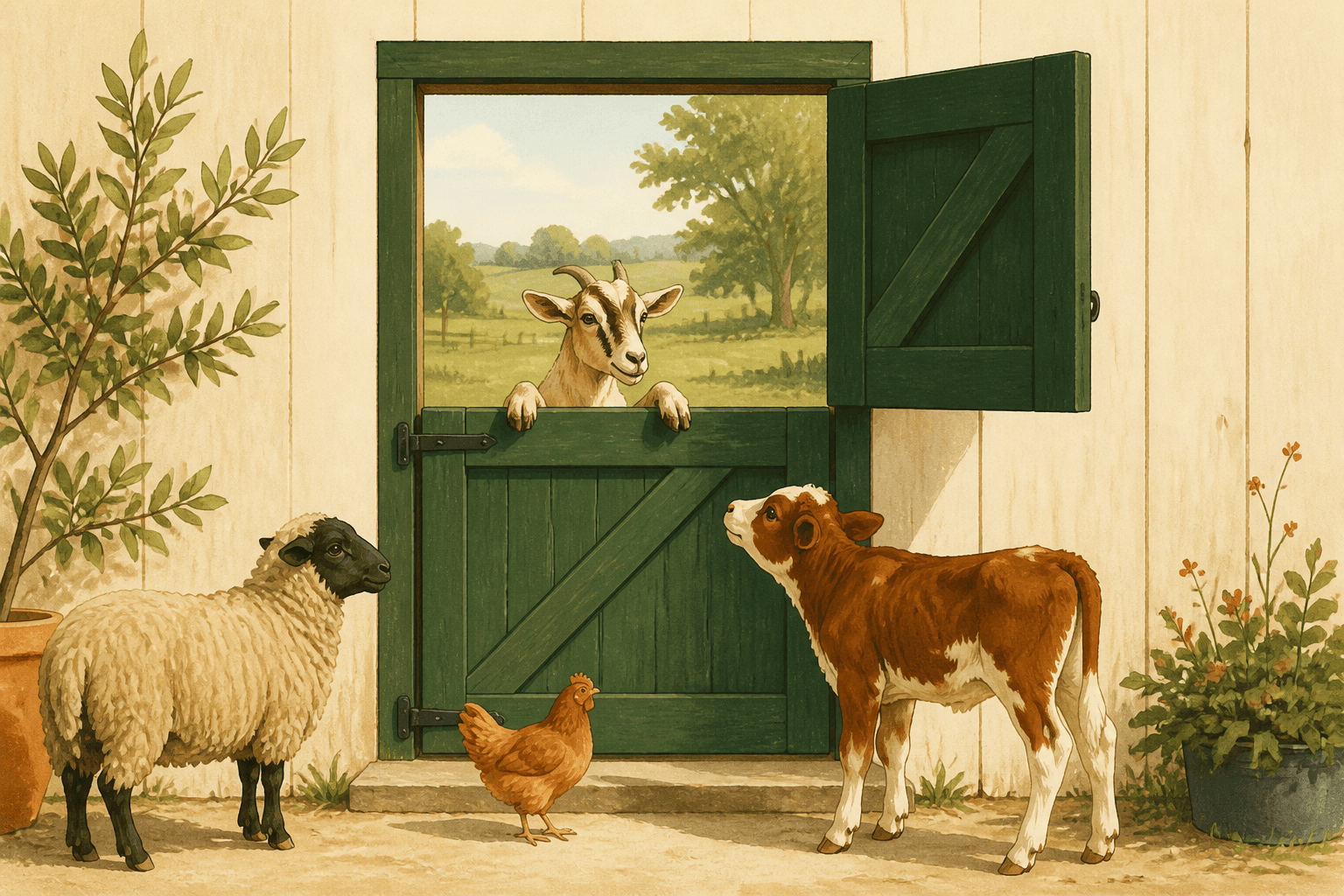
The familiar metaphor
The AI can exchange ideas and return useful work without receiving broad keys to the business. Safety comes from the workshop around the model, not from hoping the model remembers.
An approved work order and safe evidence go in; a structured proposal comes back.
No direct reach into customers, money, private data, credentials, or production.
The first door compares every request with the founder’s rules, goals, allowed actions, and forbidden outcomes.
The AI prepares a proposal with limited evidence. Approved work is built, reviewed, and tested in isolation.
The second door holds mismatches. A narrow trusted mechanism performs only the approved action and returns a receipt.
Structural protection
What Dutch Door changes
GitHub made code changes visible, reviewable, and testable before they merged. Dutch Door applies that proposal-and-review model to AI agents and real-world actions—from code and data to customer communication, infrastructure, and money.
When a mistake is found, Dutch Door changes the workshop—narrowing a permission, closing a passage, adding a protected constraint, or strengthening independent review—so the same class of mistake becomes harder to repeat.
Hard lessons become tests, protected invariants, and narrow permissions—not another reminder in a prompt.
Only approved, unambiguous work enters the controlled workshop.
Independent checks hold mismatches; a trusted mechanism performs the exact authorized action and records what happened.
Private early access
We're inviting founders and small teams already using AI agents to build or run real work—and who need reliable control without becoming AI experts.